
Benefits of Compression Therapy for Legs: Effective Compression Therapy Techniques
If you’re looking for a way to speed up recovery and reduce leg soreness, compression therapy might just be your new best friend. I’ve seen firsthand how this simple technique can make a huge difference in how your legs feel after a tough workout or a long day on your feet. Let’s dive into the world of compression therapy and explore some effective compression therapy techniques that can help you bounce back faster and feel better.
What Is Compression Therapy and How Does It Work?
Compression therapy involves applying controlled pressure to your legs using specially designed garments or devices. This pressure helps improve blood flow, reduce swelling, and support your muscles. When your legs get better circulation, they recover faster from fatigue and injury.
Think of it like giving your legs a gentle hug that encourages blood to move upward, away from your feet and back to your heart. This helps flush out waste products like lactic acid and brings in fresh oxygen and nutrients to your muscles.
Some common compression therapy techniques include wearing compression socks, sleeves, or using pneumatic compression devices. Each method offers different levels of pressure and benefits, but they all aim to improve circulation and reduce discomfort.
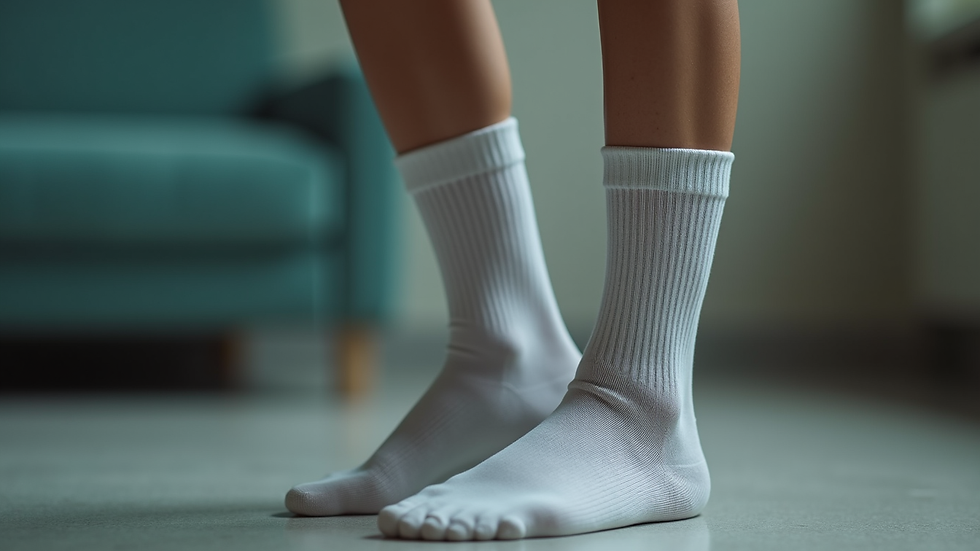
Compression socks are a popular and easy way to start compression therapy.
Popular Compression Therapy Techniques You Can Try
There are several ways to use compression therapy, and choosing the right one depends on your needs and lifestyle. Here are some popular techniques that I recommend:
Compression Socks and Stockings
These are the most common and accessible form of compression therapy. They come in various lengths and pressure levels. Wearing them during or after exercise can reduce muscle soreness and swelling.
Compression Sleeves
Sleeves cover just the calf or thigh and are great if you want targeted support without covering your whole leg. They’re easy to put on and take off, making them perfect for athletes on the go.
Pneumatic Compression Devices
These are more advanced and use air pressure to massage your legs. They’re often used in clinics but are becoming more available for home use. They provide dynamic compression, which can be very effective for recovery.
Compression Wraps
Adjustable wraps allow you to control the pressure and are useful for injury recovery or swelling control. They’re flexible and can be tightened or loosened as needed.
Using these techniques regularly can help you maintain healthy circulation and reduce the risk of injury or prolonged soreness.

Pneumatic devices offer dynamic compression for enhanced recovery.
Does Compression Help with EDS?
Ehlers-Danlos Syndrome (EDS) is a group of disorders affecting connective tissues, often causing joint pain and instability. Many people with EDS experience leg discomfort and swelling, which can be challenging to manage.
Compression therapy can be beneficial for those with EDS by providing extra support to the joints and improving circulation. The gentle pressure helps reduce swelling and can ease pain caused by poor blood flow or joint instability.
However, it’s important to choose the right compression level and type. Too much pressure might cause discomfort or restrict movement, so consulting a healthcare professional before starting compression therapy is a smart move.
In my experience, people with EDS who use compression sleeves or socks tailored to their needs often report feeling more stable and less fatigued in their legs. It’s a simple addition that can make a big difference in daily comfort.
Why Athletes and Active Individuals Should Consider Compression Therapy
If you’re active or an athlete, you know how demanding physical activity can be on your legs. Compression therapy offers several benefits that can help you perform better and recover faster:
Reduced Muscle Soreness
Wearing compression gear after exercise helps reduce delayed onset muscle soreness (DOMS). This means you can get back to training sooner without feeling as stiff or achy.
Improved Circulation
Better blood flow means your muscles get more oxygen and nutrients. This can boost endurance and reduce fatigue during workouts.
Faster Recovery
Compression helps clear metabolic waste from your muscles, speeding up the healing process after intense activity.
Injury Prevention
Supporting your muscles and joints with compression can reduce the risk of strains and sprains.
Swelling Control
If you spend a lot of time on your feet or travel frequently, compression can prevent or reduce swelling in your legs.
I personally use compression socks after long runs or intense gym sessions. They help me feel less tired and ready for the next workout. Plus, they’re easy to wear and don’t interfere with my daily routine.
How to Get Started with Compression Therapy for Legs
Starting compression therapy is simple, but there are a few tips to keep in mind to get the best results:
Choose the Right Compression Level
Compression is measured in millimetres of mercury (mmHg). For general recovery, 15-20 mmHg is usually enough. For more serious issues, higher levels might be needed, but always check with a professional.
Pick the Right Size
Proper fit is crucial. Too tight can cause discomfort, and too loose won’t provide benefits. Measure your legs according to the manufacturer’s instructions.
Wear Them at the Right Time
You can wear compression gear during exercise, after workouts, or even during long periods of sitting or standing. Find what works best for your routine.
Combine with Other Recovery Methods
Compression therapy works well alongside stretching, hydration, and rest. Use it as part of a complete recovery plan.
Listen to Your Body
If you feel pain, numbness, or excessive discomfort, remove the compression and consult a healthcare provider.
By following these steps, you’ll maximize the benefits and keep your legs feeling great.
Where to Find Compression Therapy Services Locally
If you’re in Essendon or nearby, The Recovery Pocket is a fantastic local hub for wellness recovery services. They offer accessible and affordable options to help you quickly alleviate soreness and boost your energy. Whether you want to try compression therapy or other recovery techniques, they provide expert guidance and support.
Using local services means you get personalised care and can ask questions to make sure you’re using compression therapy correctly. Plus, it’s a great way to stay motivated and consistent with your recovery routine.
If you want to learn more about compression therapy for legs, check out their website or visit their centre. It’s a smart step towards better leg health and faster recovery.
Embrace Compression Therapy and Feel the Difference
Compression therapy is a simple, effective way to support your legs and speed up recovery. Whether you’re an athlete, active individual, or just someone who wants to feel better after a long day, it’s worth giving it a go.
Remember, the key is consistency and choosing the right technique for your needs. Start with compression socks or sleeves, and see how your legs respond. You might be surprised at how much better you feel.
Take care of your legs with compression therapy and enjoy the benefits of improved circulation, reduced soreness, and faster recovery. Your legs will thank you!


Comments