
How Compression Therapy Techniques Boost Recovery
- Andrew Frazer
- May 21
- 4 min read
Recovery is a crucial part of any active lifestyle. Whether you’re hitting the gym hard, running trails, or just pushing your limits, your body needs time and care to bounce back. One of the best ways I’ve found to speed up recovery and reduce soreness is through compression therapy. It’s simple, effective, and something you can easily add to your routine.
Let’s dive into how compression therapy techniques can help you recover faster and feel better, so you can get back to doing what you love.
What Are Compression Therapy Techniques?
Compression therapy involves applying controlled pressure to your muscles and limbs. This pressure helps improve blood flow, reduce swelling, and flush out waste products like lactic acid. There are several ways to do this, and each technique has its own benefits.
Here are some common compression therapy techniques:
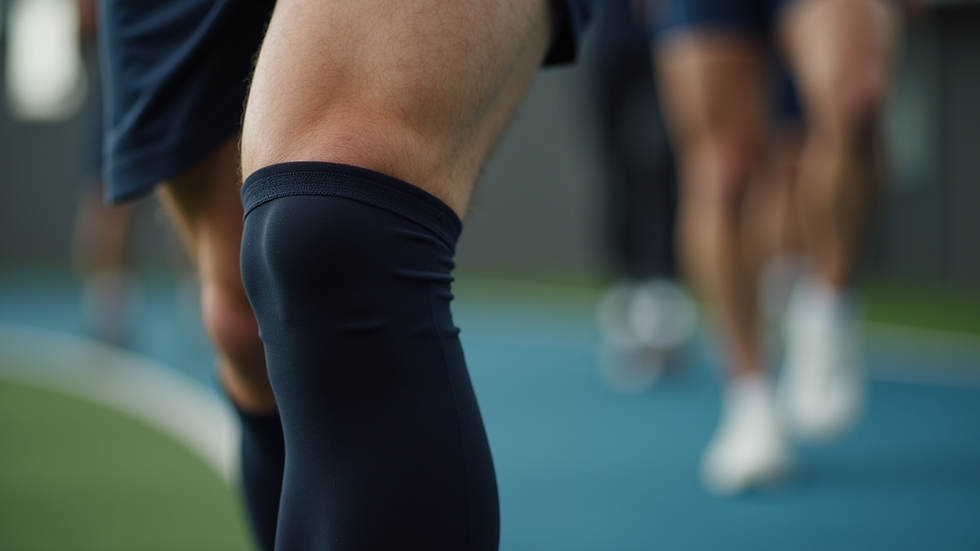
Compression Garments: These are tight-fitting sleeves, socks, or leggings that you wear during or after exercise. They provide steady pressure to your muscles.
Pneumatic Compression Devices: These are machines with inflatable sleeves that wrap around your legs or arms. They rhythmically inflate and deflate to massage your limbs.
Manual Compression: This includes techniques like massage or foam rolling, where pressure is applied by hand or with tools.
Cold Compression: Combining cold therapy with compression can reduce inflammation and numb pain.
Each method targets recovery in a slightly different way, but all aim to boost circulation and reduce muscle fatigue.
How Compression Therapy Techniques Help Recovery
Compression therapy works by enhancing your body’s natural healing process. When you exercise, tiny tears form in your muscle fibers. Your body sends blood to these areas to repair the damage. Compression helps this process by:
Increasing Blood Flow: Better circulation means more oxygen and nutrients reach your muscles.
Reducing Swelling: Compression limits fluid buildup that causes soreness and stiffness.
Speeding Up Waste Removal: It helps flush out toxins like lactic acid that build up during exercise.
Supporting Muscle Stability: Compression garments can reduce muscle vibration, which lowers fatigue and risk of injury.
If you’re wondering how does compression therapy work, it’s all about improving circulation and supporting your muscles so they recover faster and feel less sore.
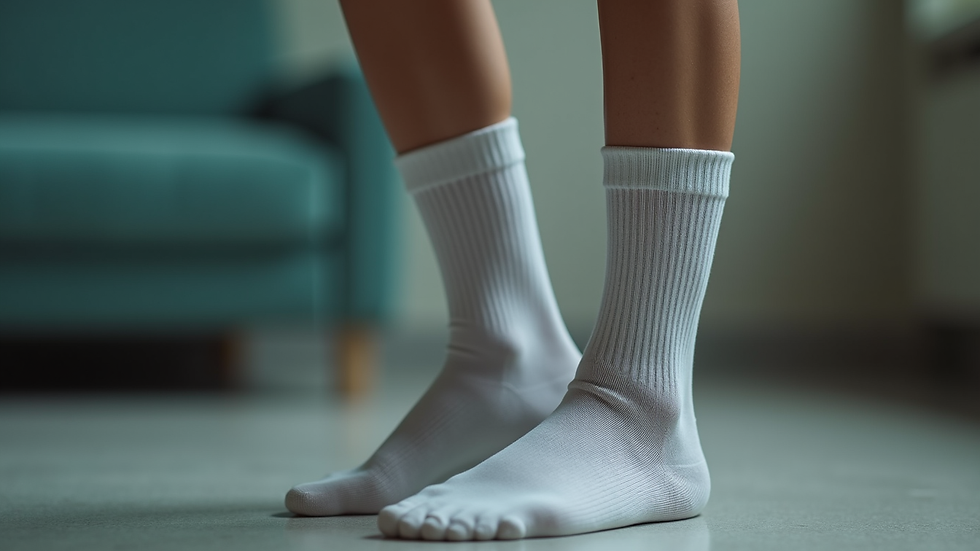
For example, after a long run, wearing compression socks can help reduce calf pain and swelling. Or, using a pneumatic compression device after a tough workout can feel like a gentle massage that speeds up healing.
What Are the Downsides of Compression Therapy?
While compression therapy is great, it’s not perfect for everyone. Here are some things to keep in mind:
Discomfort: Some people find compression garments too tight or restrictive, especially if they’re new to it.
Skin Issues: Wearing compression gear for too long or if it’s not clean can cause irritation or rashes.
Not for Everyone: People with certain medical conditions like deep vein thrombosis or severe arterial disease should avoid compression therapy unless advised by a doctor.
Cost: Pneumatic devices can be expensive, and good-quality compression garments aren’t always cheap.
Proper Fit Is Key: Ill-fitting compression gear can do more harm than good by restricting blood flow.
Despite these downsides, most people find compression therapy safe and beneficial when used correctly. Always listen to your body and consult a healthcare professional if you’re unsure.

How to Incorporate Compression Therapy Into Your Routine
Adding compression therapy to your recovery plan is easier than you might think. Here’s a simple guide to get started:
Choose Your Method: Decide if you want to try compression garments, pneumatic devices, or manual compression.
Wear Compression Gear Post-Workout: Put on compression socks or sleeves right after exercise to reduce swelling.
Use Pneumatic Devices for Deep Recovery: If you have access, use these devices for 15-30 minutes after intense sessions.
Combine with Other Recovery Tools: Use foam rollers, stretching, and hydration alongside compression therapy.
Listen to Your Body: If you feel numbness, pain, or discomfort, remove the compression and adjust the fit.
Stay Consistent: Regular use will give you the best results over time.
For example, after a weekend of hiking, I like to wear compression leggings while relaxing at home. It helps my legs feel lighter and less achy the next day.
Why The Recovery Pocket Is Your Local Hub for Compression Therapy
If you’re in Essendon and want to experience the benefits of compression therapy, The Recovery Pocket is the place to go. They offer accessible and affordable wellness recovery services designed to help you quickly alleviate soreness and boost your energy.
Here’s why I recommend checking them out:
Expert Guidance: They help you choose the right compression therapy techniques for your needs.
Affordable Options: You don’t have to break the bank to recover well.
Convenient Location: Easy to get to, so you can fit recovery into your busy schedule.
Friendly Atmosphere: A welcoming space where you feel comfortable and supported.
Adding compression therapy to your recovery routine at The Recovery Pocket can make a real difference in how fast you bounce back and how good you feel.
Compression therapy techniques are a game-changer for anyone serious about recovery. They’re simple, effective, and backed by science. Whether you’re an athlete or just someone who wants to feel better after physical activity, give compression therapy a go. Your body will thank you.
Remember, recovery is just as important as training. Take care of your muscles, and they’ll take care of you.


Comments